Tile Roofing in St. Petersburg, FL
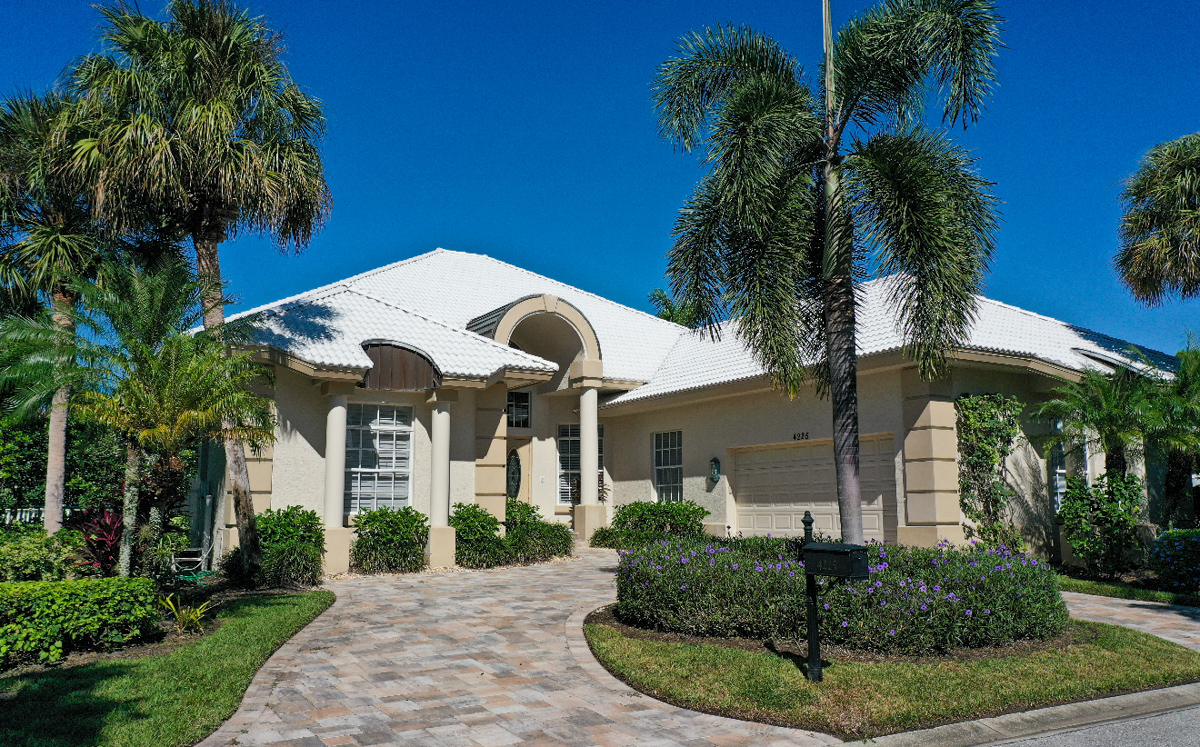
Few roofs suit a Florida home like tile. The curved barrel profiles, the deep shadow lines, and the warm earth tones have defined Gulf Coast architecture for generations, and a well-installed tile roof can protect a home for decades. Getting that long life out of tile comes down to the right material, the right underlayment, and an installation built to handle our wind and rain.
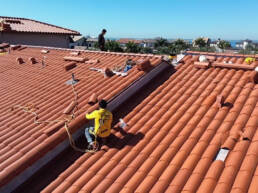
We install, replace, and repair clay and concrete tile roofs for homeowners in St. Petersburg and Sarasota, with in-house supervision on every job. Whether you’re building new, replacing an aging tile roof, or chasing a leak under a few cracked pieces, we start with a real inspection so you know exactly what your roof needs.
Why Tile Works So Well on Gulf Coast Homes
Tile has stayed popular in Florida for practical reasons, not just looks.
The Strengths of a Tile Roof
- Long service life: The tile itself can last for decades when the system beneath it is maintained
- Heat performance: The air space under curved tile helps slow heat transfer into the attic
- Fire and rot resistance: Clay and concrete won’t burn, rot, or attract insects
- Curb appeal: Tile fits Mediterranean, Spanish, and coastal home styles and can add to resale value
What It Asks of Your Home
Tile is heavy, so the roof framing has to be built or verified to carry the load. It also depends on a strong underlayment and proper fastening to stay put in high winds. Those details are where installation experience matters most.
Clay Tile Roofing
Clay tile is made from natural clay that’s shaped and fired in a kiln. Because the color runs through the tile itself rather than sitting on the surface, clay holds its color for the life of the roof instead of fading under the Florida sun. It’s the traditional choice for Spanish and Mediterranean homes, and it carries a classic, handmade character that’s hard to match.
Clay is typically the more premium of the two tile options, and it rewards that investment with exceptional longevity. Its main drawback is that fired clay can be brittle, so pieces can crack if they’re walked on carelessly or struck by a heavy limb. That’s one reason we’re careful about how our crews move across a tile roof during installation and repairs, and why we keep spare pieces in mind when planning a job so future repairs can match.
Concrete Tile Roofing
Concrete tile is made from a molded blend of cement, sand, and water, and it’s the most common tile roof on Florida homes today.
Why Homeowners Choose Concrete Tile
- A lower upfront cost than clay while keeping the look and durability of tile
- A wide range of profiles, including barrel, S-tile, and flat styles
- Many color options that can match an HOA palette or existing homes on the street
- Strong resistance to wind-driven rain when installed over the right underlayment
What to Keep in Mind
Concrete tile is generally heavier than clay and tends to absorb more moisture over time. Its color is applied to the surface, so it can gradually fade or weather with age. Periodic cleaning and inspection help a concrete tile roof keep its appearance and performance for the long haul.
Clay vs. Concrete Tile: Which Is Right for Your Home?
Both materials make excellent roofs, so the choice usually comes down to budget, style, and the requirements of your home and neighborhood. Clay tends to make sense for homeowners who want the most authentic, long-lasting finish and are comfortable with a higher upfront cost. Its color won’t fade, and its character fits historic and high-end homes especially well.
Concrete is often the practical pick for homeowners who want the tile look at a more approachable price, or who need a specific profile or color to meet HOA guidelines. Your roof framing also plays a role, since the weight of each material affects what your structure needs to support. During an inspection, we’ll look at your home, talk through how each option fits your goals, and give you a straight recommendation.




Tile Roof Repair and Underlayment Replacement
Many tile roof leaks don’t come from the tile at all. The tile sheds most of the water, but the underlayment beneath it is the true waterproofing layer, and it often wears out long before the tile does.
Signs Your Tile Roof Needs Attention
- Cracked, broken, or slipped tiles, especially after a storm
- Loose or deteriorating ridge and hip caps
- Stains on interior ceilings or walls near the roofline
- Debris buildup in valleys that slows drainage
- Water marks or damp spots in the attic
Repair or Re-Underlayment
Isolated damage can usually be handled by replacing broken pieces and resealing the affected area. When the underlayment itself has failed, the better fix is often to lift the tile, install new underlayment, and reset the existing tile where it’s still in good shape. We’ll tell you plainly which approach your roof actually needs.
What to Know Before Installing a Tile Roof
A tile roof is a long-term investment, so a few questions are worth answering before you commit. First is structure. If your home didn’t have tile before, we’ll check whether the framing can carry the added weight or needs reinforcement. Second is your HOA, since many communities specify tile profiles and colors, and approval can take time. Third is budget, because tile costs more to install than many other materials, though its long life often offsets that over the years.
If tile turns out not to be the right fit for your structure or budget, our tile roof alternatives offer a similar look in a lighter material. If you’re comparing every option, our residential roofing page covers all the systems we install. And for an existing tile roof, regular roof inspections and maintenance are the simplest way to catch underlayment wear and cracked pieces before they turn into leaks.
Our Process
- We schedule an inspection to check your current roof, the underlayment, and the structure.
- We walk through clay and concrete options with samples, along with any HOA requirements.
- In-house supervised installation, with new underlayment and fastening built for Florida wind and rain.
- A tile roof built to protect your home for decades.
Thinking about a tile roof, or dealing with cracked tiles? Schedule an inspection and we’ll take a look.
Why Choose BC American Roofing for Tile Roofing
- Experience with both clay and concrete tile systems
- In-house supervision on every installation and repair
- Careful crews who know how to work on tile without breaking it
- Honest guidance on repair versus full replacement
FAQs
The tile itself can last for decades. The underlayment beneath it usually needs replacing sooner, so regular inspections help keep the whole system watertight.
Clay holds its color and is the more premium option. Concrete costs less and comes in more profiles and colors. Both make excellent roofs, and the best choice depends on your budget, style, and HOA.
Many homes can, but tile is heavy. If your home didn’t originally have tile, we’ll check the framing during an inspection and let you know if any reinforcement is needed.
Yes. Isolated cracked or slipped tiles can usually be replaced individually. If the underlayment has failed, we may recommend lifting the tile and installing new underlayment.
A properly fastened tile roof over quality underlayment can handle strong winds. Installation details matter most, which is why we supervise every tile job in-house.
Schedule an Inspection
A tile roof can protect your home for decades when it’s built and maintained the right way, and the best place to start is a clear look at what your roof needs. Schedule an inspection and we’ll walk you through your tile options.