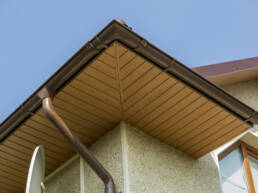
Soffit and Fascia Replacement in St. Petersburg, FL
The edge of your roof takes more abuse than most homeowners realize. Rain runs off it, gutters hang from it, and the underside of the overhang is exposed to humidity and heat every day of the year. When soffit and fascia start to break down, the result is often water damage, poor attic ventilation, or an open door for birds, rodents, and insects.
We repair and replace soffit and fascia for homeowners in St. Petersburg and Sarasota, with in-house supervision on every job. We offer three material options, aluminum, James Hardie, and NewTechWood tongue-and-groove composite, and we’ll help you choose based on your home, your budget, and the look you want under the eaves.
What Soffit and Fascia Actually Do
These two components work as a pair, but each has its own job at the roof edge.
Soffit: The Underside of the Overhang
Soffit covers the area between the edge of your roof and the exterior wall. It does a few important things:
- Closes off the attic and rafter tails from pests and weather
- Allows airflow into the attic when vented panels are used, which helps control heat and moisture buildup
- Gives the underside of the roofline a clean, finished appearance
Fascia: The Board Along the Roof Edge
Fascia is the vertical board that runs along the ends of the rafters. It supports the bottom edge of the roofing, serves as the mounting surface for gutters, and protects the rafter ends from direct exposure to rain. When fascia rots, gutters can pull loose and water can work its way into the roof structure.
Aluminum Soffit and Fascia
Aluminum is a practical, cost-effective option and one of the most common choices for Florida homes. Aluminum fascia is typically installed as a formed cover over the wood fascia board, sealing it off from moisture so the wood underneath stays protected.
Aluminum soffit panels come in vented and solid styles, so we can set up the right balance of attic airflow for your home. The material doesn’t rot, won’t attract termites, and its factory finish means no repainting. For homeowners who want a durable, low-maintenance upgrade without a large investment, aluminum is often the best value.
The key to aluminum is careful installation. Panels need to be fastened and fitted correctly so they don’t rattle loose in high winds, and the wood fascia underneath should be in good condition before it’s wrapped. We check that before anything gets covered.
James Hardie Soffit and Trim
For homeowners who want a heavier, more substantial finish, James Hardie fiber cement is a strong choice, especially on homes that already have or are getting James Hardie exterior siding.
Why Fiber Cement Works at the Roof Edge
- Resists rot, termites, and moisture damage in humid conditions
- Available as soffit panels in vented and non-vented styles
- Trim boards for fascia give a crisp, painted-wood appearance
- Noncombustible, which adds a layer of protection at the eaves
A Matched Exterior
Using James Hardie for soffit, fascia, and siding gives the whole exterior a consistent look and lets everything be painted or finished together. It’s a good fit for homeowners planning a broader exterior upgrade rather than a stand-alone repair.
NewTechWood Tongue-and-Groove Soffit
If you want the warm, finished look of a wood ceiling under your eaves, NewTechWood tongue-and-groove composite boards deliver it without the maintenance that comes with real wood.
Tongue-and-groove boards lock together edge to edge, creating a smooth, continuous surface that reads like a stained wood ceiling. Because NewTechWood is an engineered composite, it’s designed to resist the moisture, insects, and decay that cause natural wood soffits to swell, warp, or rot in a humid climate. There’s no staining or sealing on a recurring schedule.
This option works especially well on covered porches, front entries, and wide overhangs where the underside of the roof is highly visible. It also pairs well with NewTechWood siding for homeowners who want a cohesive wood-look exterior. We’ll bring samples so you can see the grain and color options in person before deciding.


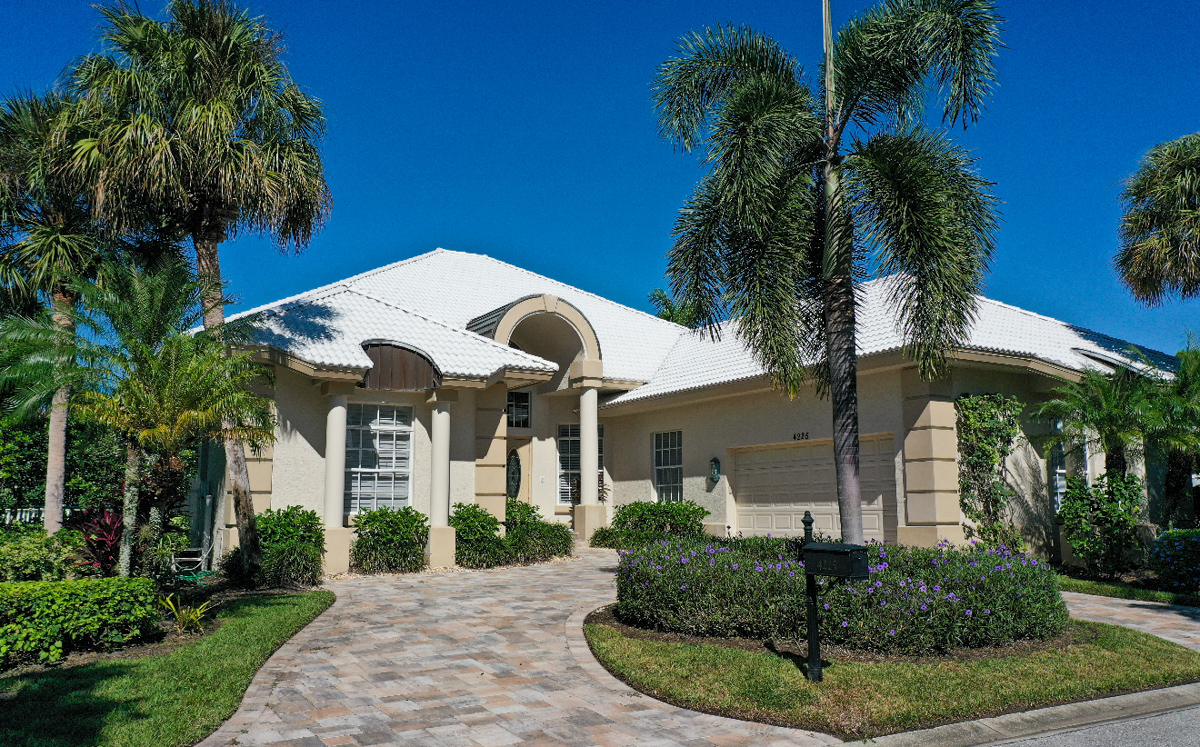


Tongue and Groove Soffit and Porch Ceilings With NewTechWood
Tongue and groove boards lock together edge to edge, with the tongue of one plank fitting into the groove of the next. The result is a continuous, finished plank surface with no visible gaps, which is why it has long been a favorite for soffits, porch ceilings, and covered outdoor spaces. Traditional tongue and groove is milled from pine or cedar, and in St. Petersburg’s heat and humidity, real wood overhead tends to swell, peel, attract termites, and need repainting far sooner than homeowners expect. NewTechWood offers the same classic plank look in a capped composite that is built to handle Gulf Coast conditions.
Why NewTechWood Holds Up Overhead
NewTechWood UltraShield boards are made from a blend of high-density polyethylene and wood fiber, fully encased in a protective polymer shell. That outer layer is what separates it from bare wood and uncapped composites.
- Moisture resistance: The sealed shell keeps humid air and wind-driven rain from soaking into the core, so boards do not swell, cup, or rot.
- Mold and mildew resistance: Shaded overhangs and porch ceilings are prime spots for mildew growth, and the capped surface resists it.
- Pest resistance: Termites and wood-boring insects have nothing to feed on.
- No painting or sealing: Color is built into the board, so there is no scraping, priming, or repainting every few years.
- UV-resistant color: Boards hold their finish under Florida sun instead of graying out.
- Fire resistance: The composite performs better against flame than untreated wood planks.
Where Tongue and Groove Works Best
Tongue and groove is not limited to the underside of the roof overhang. Any covered area where the ceiling is visible from below can be finished with the same material, giving the exterior a consistent look from the roofline to the back patio. Popular applications include front porch ceilings, lanais and screened rooms, covered entryways, carports, breezeways, and the ceilings above outdoor kitchens or pool cabanas. Running the same plank and color through the soffits and these outdoor ceilings ties the whole exterior together and gives a home a finished, custom appearance that painted plywood or vented aluminum panels cannot match.
Planning a Tongue and Groove Installation
A clean overhead finish depends on the details handled before the first board goes up.
- Attic ventilation: Soffits supply intake air to the attic, so the layout needs to keep airflow working even with a solid plank face.
- Framing and substrate: Overhangs and porch ceilings should be checked for rot, sagging, or water damage before new material is installed.
- Fascia transitions: The soffit should meet the fascia cleanly so water drains off the roof edge instead of working behind the boards.
- Lighting and fixtures: Recessed lights, fans, and speakers are laid out in advance so cutouts are clean and evenly spaced.
- Board direction and color: Plank orientation and color selection can be coordinated with siding, trim, and roofing for a cohesive exterior.
Signs Your Soffit or Fascia Needs Attention
Roof edge damage often starts small and gets overlooked until it turns into a larger repair.
What to Watch For
- Peeling paint, soft spots, or visible rot along the fascia boards
- Gutters that sag, pull away, or overflow toward the house
- Sagging, cracked, or missing soffit panels
- Water stains on the underside of the overhang
- Birds, wasps, or rodents getting in at the eaves
- An attic that feels unusually hot or shows signs of moisture
If you’re noticing any of these, a closer look now can keep the problem from spreading into the rafters or roof deck.
Why Roof Edge Work Belongs With Your Roofer
Soffit and fascia sit right where the roof ends, which means they’re tied directly to the drip edge, the gutters, and the bottom course of roofing material. When they’re handled separately from the roof, the transitions between those parts are often where water finds its way in.
Because we handle residential roofing in-house, we can look at the roof edge as part of the whole system. If you’re replacing your roof, it’s the ideal time to address worn fascia or soffit, since the roof edge is already open and accessible. If your roof is in good shape, we can replace soffit and fascia on its own and confirm the surrounding roofing is protected. Many roof edge problems are first spotted during a routine roof inspection, which is a good way to catch rot before it reaches the rafters.
Our Process
- We schedule an inspection to check your soffit, fascia, gutters, and the roof edge.
- We walk you through aluminum, James Hardie, and NewTechWood options based on your home, budget, and style.
- In-house supervised installation, with any damaged wood replaced before new material goes on.
- A clean, protected roofline built to stand up to Florida weather.
Seeing wear along your roofline? Schedule an inspection and we’ll show you what’s going on.
Why Choose BC American Roofing for Soffit & Fascia
- Three material options, with honest guidance on which fits your home
- In-house supervision on every installation
- Roof edge work handled by the same team that understands your roof
FAQs
Soffit covers the underside of the roof overhang, while fascia is the vertical board along the roof edge where gutters attach. They work together to protect the roof structure and attic.
Most homes benefit from vented soffit because it lets air into the attic, which helps manage heat and moisture. We’ll check your current ventilation setup and recommend the right mix of vented and solid panels.
Yes, as long as the wood is still sound. If we find rot, we replace the damaged boards first so the problem isn’t sealed in under the new covering.
Aluminum, James Hardie, and NewTechWood all resist rot and termites far better than bare wood. The best choice depends on the look you want and whether you’re matching other exterior materials.
It’s often a good time to do it, since the roof edge is already accessible. If your soffit and fascia are in good condition, there’s no need to replace them just because the roof is being redone.
Get Your Free Quote
Your soffit and fascia protect the roof edge, the attic, and the structure behind them, and the right material depends on how you want your roofline to look and perform. Schedule an inspection and we’ll walk you through your options in person.