Tile roofing has long been a signature look across Florida neighborhoods, but it is not the only way to get that style. Stone-coated steel has become a popular alternative, offering a similar appearance with a different set of performance characteristics. If you like the tile look but are not sure which material is the better fit, this comparison should help you weigh the practical tradeoffs between the two.
Below, we break down how traditional tile and stone-coated steel compare across weight, durability, cost, and storm performance. If you are exploring either option for your Sarasota home, our residential roofing team can walk you through both in person.
What Each Material Actually Is
Before comparing performance, it helps to understand what each material is made of and how it is installed, since the construction differences drive most of the practical distinctions between them.
The basics of each material
- Traditional tile: Made from clay or concrete, formed into individual tiles and installed in overlapping rows
- Stone-coated steel: Steel panels coated with stone granules, engineered to visually mimic the look of tile, shake, or shingle profiles while functioning as a single interlocking panel system
Despite their different construction, both materials are chosen by homeowners largely for the same reason: a distinctive, textured roofline that stands out from standard asphalt shingles. The way each achieves that look, however, comes with its own set of tradeoffs.
Weight and Structural Considerations
One of the most significant practical differences between these two materials is weight, and this can actually determine whether a material is even an option for your specific home.
What to know about weight differences
- Traditional tile is considerably heavier than stone-coated steel, often by a significant margin per square
- Older homes not originally built to support tile may require structural reinforcement before installation
- Stone-coated steel’s lighter weight makes it a practical option for homes that cannot structurally support traditional tile
- A structural assessment is worth doing before committing to either material, particularly on older homes
This weight difference alone is often the deciding factor for homeowners who love the tile look but have a home not originally designed to carry that load. Reinforcing a roof structure is possible in many cases, but it adds meaningful cost and complexity to a project that stone-coated steel simply avoids.
Durability and Storm Performance
Both materials perform well in Florida’s climate, but they respond differently to impact and wind, which matters given our regular exposure to severe weather.
How each material typically performs
- Traditional tile is durable but individual tiles can crack from impact, such as falling debris during a storm
- Stone-coated steel’s interlocking panel system tends to resist wind uplift very well and does not crack the way individual tiles can
- Repairing a few cracked tiles is usually straightforward, while damage to stone-coated steel panels may require replacing a larger section
- Both materials carry strong wind ratings when properly installed and fastened
Homeowners who prioritize minimizing storm damage risk often lean toward stone-coated steel, while those who value tile’s classic material and are comfortable with occasional tile replacement often stick with the traditional option. Both approaches are reasonable, and the right choice often comes down to personal risk tolerance as much as anything else.
Appearance and Style Differences
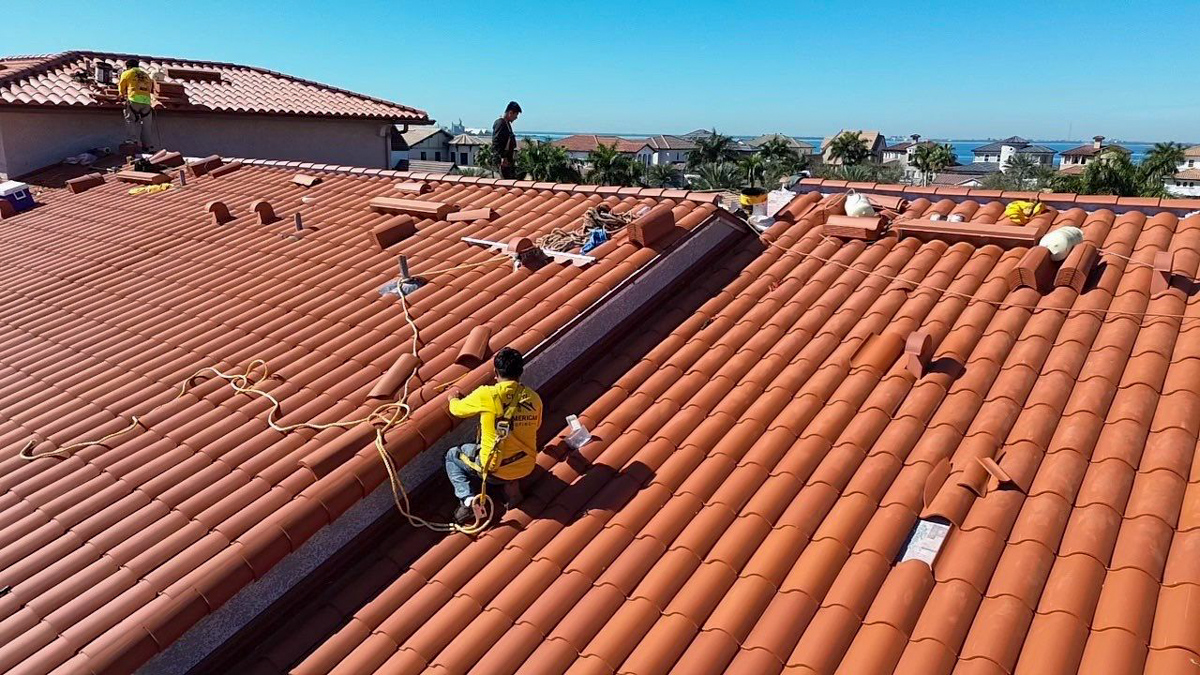
At a glance, stone-coated steel is designed to closely resemble traditional tile, but there are some differences worth knowing if authenticity of material matters to you.
What to consider about appearance
- Traditional tile has natural variation in color and texture that comes from its material composition
- Stone-coated steel offers more color consistency and can also mimic other profiles, such as shake or shingle, beyond just tile
- Up close, some homeowners can tell the difference between the two, while from the street they often look very similar
- Both materials come in a range of colors designed to complement Florida’s Mediterranean and Spanish-influenced architectural styles
If matching an existing tile roof on an addition or adjacent structure is important to you, traditional tile will generally provide the closest match, while stone-coated steel offers more flexibility if you are starting fresh with a completely new look.
Cost and Long-Term Value
Cost comparisons between these two materials are not always straightforward, since the total cost depends heavily on your existing roof structure and whether reinforcement is needed.
Cost factors worth understanding
- Traditional tile installation costs can increase significantly if structural reinforcement is required first
- Stone-coated steel avoids reinforcement costs in most cases due to its lighter weight
- Both materials carry a higher upfront cost than asphalt shingles, reflecting their longer expected lifespan
- Long-term maintenance costs tend to favor stone-coated steel slightly, given its resistance to cracking
It is also worth asking whether either material qualifies for any manufacturer promotions or extended warranty programs, since these occasionally shift the value equation between the two options.
Getting quotes for both materials on your specific home, including any potential structural work for tile, gives you the clearest picture of the actual cost difference. It is easy to compare material cost alone and miss the structural reinforcement expense that can significantly change the total for a tile installation.
Which Material Might Be Right for You?
There is no universally correct choice between traditional tile and stone-coated steel. The right decision depends on your home’s structure, your budget, and how much you value the authenticity of natural tile versus the practical advantages of a lighter, impact-resistant alternative. A quick summary to help you decide:
- Choose traditional tile if your home can structurally support it and you value the authentic material and appearance
- Choose stone-coated steel if you want the tile look without the added weight and structural considerations
- Get a structural assessment before committing to tile on any home not originally built to support it
- Weigh long-term maintenance expectations alongside upfront cost for a complete picture
It can also help to think about your long-term plans for the home, since a buyer down the road may have their own preference between the authentic material and the more practical alternative.
A professional inspection can help determine whether your current structure supports either option before you move forward with a decision.
Insurance and Wind Mitigation Considerations
Both materials can affect your homeowners insurance in different ways, largely tied to how each performs during a wind mitigation inspection.
What insurers typically consider
- The interlocking, fastened design of stone-coated steel panels can contribute favorably to wind mitigation scoring
- Traditional tile’s individual pieces are evaluated differently, with attachment method playing a significant role in the assessment
- Both materials generally perform better than asphalt shingles in wind mitigation evaluations when properly installed
- It is worth asking your contractor how a proposed installation of either material is likely to be scored
Since wind mitigation scoring can affect your premium, this is worth factoring into your overall comparison alongside upfront cost and appearance. A favorable score on either material can add up to meaningful savings over the years you own the home.
Installation and Contractor Experience
Not every roofing contractor has equal experience with both materials, and installation quality plays a significant role in how well either option performs over time.
What to ask a potential contractor
- How many tile or stone-coated steel installations have they completed specifically in this region?
- Are they familiar with the specific fastening and flashing requirements each material demands?
- Can they walk you through examples of completed installations using either material?
- Do they carry manufacturer certifications for stone-coated steel products, if applicable?
Because both materials require specialized installation knowledge, verifying a contractor’s specific experience with your chosen material is worth the extra step before committing to a project. An installer with limited tile or stone-coated steel experience may inadvertently void a manufacturer warranty through improper installation, even if the workmanship otherwise looks reasonable.
Get an Honest Comparison for Your Home
Choosing between tile and stone-coated steel is easier with a clear, honest comparison based on your specific home and goals. Our team has experience installing both materials throughout Sarasota and the surrounding area, and we are happy to help you weigh the tradeoffs in a way that fits your home’s structure and your long-term plans.
We invite you to Schedule a Free Estimate with our team, and we will help you decide which option makes the most sense for your home and budget.
Ready for an expert opinion? Get in touch today!
Whether you’re dealing with an aging roof or just want peace of mind, having the right team on your side makes all the difference. Our St. Petersburg roofing experts are ready to answer your questions and help you find the best solution for your home. Schedule an inspection today and take the first step toward a stronger, more reliable roof.
Like this article? Spread the word!
Related Posts

BC American Roofing’s Guide to Understanding Your Roof Warranty
Understand your roof warranty before you sign a contract or start a project. Schedule a…

7 Roofing Materials Best Suited for Florida’s Heat and Humidity
Discover which roofing materials handle Florida's heat, humidity, and storms best.…

Need a New Roof in New Port Richey? Why Homeowners Choose BC American Roofing
Need a new roof in New Port Richey? BC American Roofing provides expert residential…