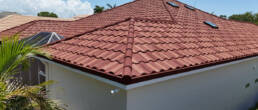
When it’s time to replace a roof in St. Petersburg, most homeowners end up weighing the same two options: metal or asphalt shingles. Shingles are familiar and affordable. Metal costs more upfront but promises a longer life and better storm performance. Both are legitimate choices, and the right one depends on your budget, your home, and how long you plan to stay.
What makes this decision different here than in most of the country is the weather. St. Petersburg roofs deal with intense sun, heavy summer rain, salt air, and hurricane season every single year. In this comparison, we look at metal roofing vs. asphalt shingle through that lens, so you can see how each one actually holds up on a Florida home. Both are part of the residential roofing work we do every day, so we’ll give you the honest version.
Metal vs. Shingle Roofing at a Glance
Before getting into the details, here’s a quick side-by-side look at how the two materials compare on the factors homeowners ask about most.
Upfront Cost
Asphalt shingles typically cost $12,000 to $22,000 for an average St. Petersburg home. Metal generally runs $18,000 to $50,000 depending on the panel system and metal type.
Expected Lifespan
In Florida conditions, shingles usually last around 15 to 20 years. A well-installed metal roof can last 40 years or longer.
Wind Resistance
Quality architectural shingles carry solid wind ratings, but metal systems with interlocking panels typically offer stronger resistance to uplift.
Heat Performance
Reflective metal finishes bounce back much of the sun’s heat, while darker shingles tend to absorb it and transfer it into the attic.
Maintenance
Shingles may need periodic repairs as they age. Metal generally needs less hands-on attention beyond routine checks of flashing and fasteners.
Appearance
Shingles offer a traditional look in a wide range of colors. Metal comes in clean standing seam profiles as well as styles that mimic tile or shake, so it no longer has to look industrial on a home.
On paper, metal wins on most performance categories, while shingles win on upfront price. The real question is how much those performance differences matter for your home.
How Each Roof Handles St. Petersburg Storms
Storm durability is the factor we put at the center of this comparison, because it’s where the two materials differ the most in real life. Every hurricane season, St. Petersburg homes face sustained winds, sudden gusts, and sideways rain that test every edge and seam on a roof.
Shingles are individual pieces held down by nails and an adhesive strip. When they’re new and properly installed, they perform well. As they age, though, the adhesive can weaken, edges can curl, and high winds can lift tabs and break the seal. Once a few shingles go, wind and water have an easier path to the underlayment and decking beneath.
Metal panels work differently. Standing seam systems lock panels together along their length, with concealed clips holding them to the deck. That gives wind far fewer edges to grab. Exposed fastener panels are also strong, though their screws need periodic inspection to make sure washers stay sealed.
Water shedding matters too. Metal’s smooth surface moves water off the roof quickly, which helps during the heavy afternoon downpours that are common through summer. Shingles shed water well when intact, but damaged or missing shingles create entry points that can lead to leaks inside the home.
No roof is storm proof, and either material can be damaged by flying debris or extreme winds. But when homeowners ask which roof gives them more confidence heading into hurricane season, metal is usually the answer we give. If your current roof has already taken a beating, our storm damage and emergency roofing team can help you sort out what needs attention now.
Comparing Cost Over the Life of the Roof
Upfront price is the biggest reason homeowners lean toward shingles, and it’s a fair consideration. But a roof is a long-term purchase, and looking only at today’s number can hide what you’ll spend over time. Here’s a more complete way to compare:
- Cost per year of service: A $17,000 shingle roof lasting 17 years works out to about $1,000 per year. A $36,000 metal roof lasting 45 years comes to roughly $800 per year.
- Replacement cycles: Over 40 years, many homeowners would replace a shingle roof twice. Each replacement brings new tear-off, permit, and material costs at future prices.
- Repair costs: Shingle roofs tend to need more frequent repairs after storms, especially as they age. Metal repair calls are typically less common.
- Energy costs: Reflective metal can reduce attic heat and ease the load on your air conditioning, which adds up over long Florida summers.
- Insurance factors: A newer roof built to current code may qualify for wind mitigation credits, and a longer-lasting roof stays in that newer category longer.
These numbers vary from home to home, but the pattern is consistent. The longer you plan to stay, the more favorable metal looks. Resale can factor in as well, since buyers increasingly recognize the value of a roof with decades of life left.
It also helps to think about timing. If your current roof is near the end of its life and a storm season is approaching, the cost of waiting can include emergency repairs, interior water damage, and higher insurance scrutiny. Planning the replacement on your schedule keeps those costs in check regardless of which material you choose.
Heat, Humidity, and Salt Air: Florida-Specific Factors
Storms get most of the attention, but day-to-day Florida conditions shape how a roof ages just as much. Heat is the first one. Dark asphalt shingles absorb sunlight and can reach very high surface temperatures, which speeds up the breakdown of the asphalt and pushes heat into the attic. Metal roofs with reflective finishes stay cooler at the surface and transfer less heat into the home.
Humidity brings its own challenges. Shingle roofs in humid climates often develop dark streaks from algae growth, especially on shaded sections. Algae-resistant shingles help, but streaking is still common over time. Metal surfaces don’t provide the same foothold for algae, so they tend to stay cleaner looking with less effort.
Salt air is a factor for homes near the water. Shingles aren’t affected by salt the way metal can be, which is a point in their favor for some waterfront homes. For metal roofs near the coast, aluminum is the better choice because it won’t rust, while galvalume steel works well for most homes farther inland. Our comparison of standing seam vs. corrugated metal roofing covers how panel style plays into that decision.
One common concern is noise. Many people picture rain pounding on a metal barn roof, but residential metal is installed over solid decking and underlayment, and most homeowners find it no louder than shingles during a storm. Attic insulation plays a role here too, and it helps with both sound and heat.
When Asphalt Shingles Still Make Sense
Metal isn’t the right fit for every homeowner, and we’d rather help you choose well than sell you the bigger project. Here are the situations where asphalt shingle roofing is often the smarter choice:
- You’re planning to sell soon: If you expect to move within a few years, you may not stay long enough to benefit from metal’s longer lifespan.
- Your budget is firm: A quality shingle roof installed correctly is far better than a stretched budget that cuts corners elsewhere.
- HOA rules limit your options: Some communities restrict roofing materials or styles, so it’s worth checking your guidelines first.
- You’re matching an existing look: Additions or homes in neighborhoods where shingles are the norm may look more consistent with them.
- You want a familiar repair path: Shingle repairs are widely understood, and replacement shingles are easy to source and usually quick to install.
Modern architectural shingles are a big step up from older three-tab styles, with better wind ratings and a more dimensional appearance. Installed with proper underlayment, ventilation, and attachment, they’re a dependable option for many St. Petersburg homes.
If you like the durability of metal but want a look closer to tile or shake, stone-coated steel is another middle-ground option worth considering. It combines a steel base with a textured stone finish, giving you many of metal’s storm and longevity benefits with a more traditional appearance. Whatever direction you lean, the installation details matter as much as the material itself.
Metal vs. Shingle Recap for St. Petersburg Homeowners
 Both materials can protect your home well when they’re installed correctly. The best choice comes down to your priorities. Here’s a quick summary of what matters most when comparing the two:
- Shingles cost less upfront, roughly $12,000 to $22,000 for an average home.
- Metal costs more, roughly $18,000 to $50,000, but can last more than twice as long.
- Metal typically offers stronger wind resistance and better heat performance in Florida.
- Cost per year of service often favors metal for long-term homeowners.
- Shingles still make sense for short ownership timelines, firm budgets, or HOA restrictions.
- Either roof needs proper ventilation and attachment to perform its best.
If you’d like to see how both options compare with tile, composite, and stone-coated steel, our guide to new roof costs in St. Petersburg lays out every material side by side, including the code upgrades and hidden costs that apply no matter which roof you choose.
Choose the Right Roof for Your St. Petersburg Home
The best way to decide between metal and shingles is to look at your actual roof, your budget, and your plans for the home. Our in-house team will inspect your current roof, talk through both options honestly, and give you clear pricing for each so you can compare them side by side. We serve homeowners throughout St. Petersburg and Pinellas County, with owner oversight on every project from start to finish. We’ll explain the tradeoffs in plain terms, and there’s no pressure to choose the more expensive option. Schedule an inspection today and get a recommendation that fits your home.
Ready for an expert opinion? Get in touch today!
Whether you’re dealing with an aging roof or just want peace of mind, having the right team on your side makes all the difference. Our St. Petersburg roofing experts are ready to answer your questions and help you find the best solution for your home. Schedule an inspection today and take the first step toward a stronger, more reliable roof.
Like this article? Spread the word!
Related Posts
Flat Roof Repair Cost in St. Petersburg: TPO vs. Modified Bitumen
Flat roof repair cost in St. Petersburg varies by system. Compare TPO and modified…
Commercial Roof Replacement Cost in St. Petersburg
See what drives commercial roof replacement cost in St. Petersburg, from TPO and modified…

Pasco County Business Owners Choose BC American Roofing for Metal Roof Systems
Pasco County business owners trust BC American Roofing for durable metal roof systems…