Exterior Siding Installation in St. Petersburg, FL
Siding does a lot more than set the look of your home from the street. It’s the layer that keeps wind-driven rain, salt air, and constant humidity out of your wall framing, and when it starts to fail, the damage usually shows up inside the walls long before it’s obvious from the outside.
We install and replace exterior siding for homeowners in St. Petersburg and Sarasota with the same in-house supervision we bring to every roofing job. Our focus is on two product lines that hold up to Gulf Coast conditions: James Hardie fiber cement and NewTechWood composite. We also install vinyl siding, but we’ll be upfront about where it belongs and where it doesn’t, rather than steering you toward whichever option is cheapest to put up.
James Hardie Fiber Cement Siding
James Hardie fiber cement is our primary recommendation for most site-built homes. It’s made from a blend of cement, sand, and cellulose fibers, which gives it the look of painted wood with far more resistance to the conditions that wear wood down here.
Three Profiles, One Material
- Lap siding: horizontal planks with the classic, familiar look that suits nearly any home style, from ranch to two-story traditional
- Board-and-batten: vertical panels with narrow battens covering the seams, a clean look that pairs well with farmhouse, coastal, and modern designs
- Shake: a shingle-style profile with the texture of cedar shake, used across an entire home or as an accent on gables and dormers
Because all three profiles are part of the same product family, they can be combined on one home without the color or performance mismatch that comes from mixing materials.
Why Fiber Cement Holds Up in Florida
Fiber cement doesn’t rot, isn’t a food source for termites, and won’t soften or warp under intense summer sun. It’s also noncombustible. James Hardie engineers its products for specific climate zones, including hot, humid regions like ours, and offers factory-applied finishes designed to resist fading longer than a typical field paint job.
NewTechWood Composite Siding
For homeowners who want the warmth of natural wood grain without the upkeep, NewTechWood composite siding is a strong fit. It’s an engineered composite material designed to replicate the texture and color variation of real wood while resisting the moisture, insects, and decay that make natural wood siding a constant maintenance project in a humid climate.
There’s no sanding, staining, or sealing on a recurring schedule. A periodic rinse is generally enough to keep it looking clean. Composite cladding tends to work especially well on contemporary and modern homes, on accent walls, and in combination with fiber cement, where a wood-look section breaks up a larger field of lap or board-and-batten siding.
We’ll show you NewTechWood samples in person during your consultation, since wood-grain depth and color are hard to judge accurately from a photo or a website swatch.
Vinyl Siding: Where It Fits and Where It Doesn’t
Vinyl is the most affordable siding option, and in the right application, it does its job well. The key is matching it to the right type of home.
Why We Don’t Recommend Vinyl on Site-Built Homes
On a traditional site-built house, vinyl tends to fall short of fiber cement and composite in the areas that matter most here:
- It’s more prone to cracking or tearing loose from wind-driven debris during storms
- Prolonged heat exposure can cause panels to warp or sag over time
- It generally doesn’t add the same long-term value to a home as fiber cement or composite
Where Vinyl Makes Sense
Vinyl is a practical choice for manufactured homes. It’s lightweight, flexible, and cost-effective, which suits the construction and budget of a manufactured home far better than a heavier fiber cement product. If you own a manufactured home, we’re happy to install vinyl and will walk you through color and profile options.




Siding and Roofing From One Contractor
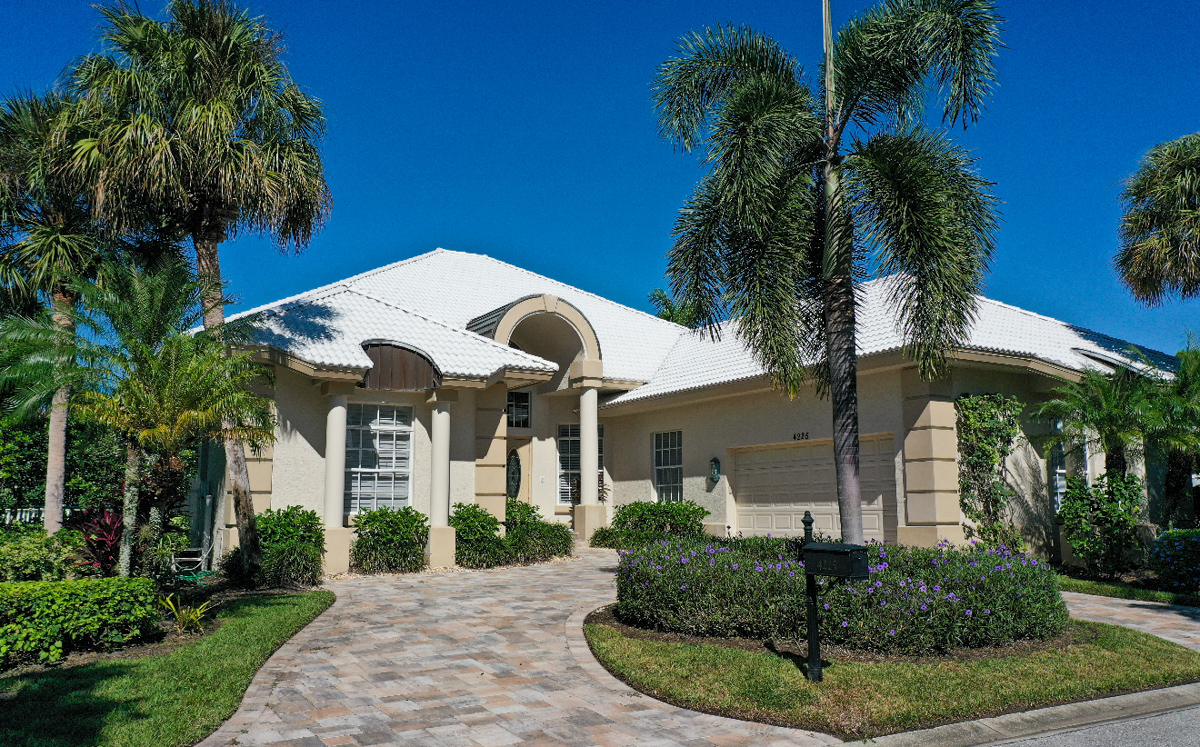
Siding and roofing meet at some of the most vulnerable points on a home: the fascia, soffits, roof-to-wall transitions, and the flashing that ties them together. When two different contractors handle those areas at different times, the details where their work overlaps are often where leaks start.
Because we already handle residential roofing in-house, we can look at your exterior as one system. If your roof and siding are both nearing the end of their lifespan, coordinating the two projects means flashing and trim are installed to work together, the schedule stays under one team, and you have one point of contact for the whole job instead of managing two separate crews.
If your siding took a hit during a hurricane or tropical storm, we can assess it alongside your roof as part of our storm damage service.
What We Look for Behind the Old Siding
Removing old siding is often the first time anyone has seen the condition of the wall underneath in decades, and in a humid coastal climate, that’s where hidden problems tend to collect.
What Gets Checked Before New Siding Goes Up
- Wall sheathing, for soft spots, rot, or moisture staining
- Weather-resistant barrier, to confirm it’s intact or replace it where needed
- Window and door flashing, one of the most common sources of water intrusion behind siding
- Signs of termite activity in wood framing or trim
With in-house supervision on the job, these issues are caught and addressed while the wall is open, not discovered months later after the new siding is already covering them.
Our Process
- We schedule an inspection to look at your existing siding, trim, and the condition of your exterior walls.
- We walk you through James Hardie, NewTechWood, or vinyl options based on your home type, style, and budget.
- In-house supervised installation, with wall repairs handled before new siding goes on.
- A finished exterior built to handle Florida heat, humidity, and storm season.
Thinking about new siding? Schedule an inspection and we’ll show you what fits your home.
Why Choose BC American Roofing for Exterior Siding
- Honest material recommendations, including when vinyl isn’t the right fit
- In-house supervision on every siding installation
- One contractor for both your roof and your siding, so the details where they meet are done right
FAQs
For most site-built homes, James Hardie fiber cement offers the best balance of durability, storm performance, and resistance to rot and termites. NewTechWood composite is a great option if you want a natural wood look without the maintenance.
On site-built homes, vinyl is more vulnerable to heat warping and storm debris than fiber cement or composite. It’s a good fit for manufactured homes, where its light weight and lower cost make more sense.
Yes. Pairing lap siding with shake accents on gables, or adding a section of composite wood-look cladding to a fiber cement exterior, is a common way to add visual interest without sacrificing performance.
It depends on the size of your home, the material you choose, and whether any wall repairs are needed once the old siding comes off. We’ll give you a realistic timeline after your inspection.
Yes. Coordinating both projects lets us install flashing and trim so the roof and siding work together, and keeps the entire job under one in-house team.
Get Your Free Quote
New siding is one of the biggest visual and protective upgrades you can make to your home, and the right material depends on how your home was built and how you want it to look for years to come. Schedule an inspection and we’ll walk you through your options in person.