
Roof warranties can be confusing, partly because the word “warranty” actually covers a few different things depending on who is providing it and what it protects. Understanding the basics before you sign a contract helps you know exactly what you are covered for, and for how long, rather than assuming a single warranty covers everything.
Below, we break down the different types of roofing warranties, what they typically cover, and the questions worth asking before your next roofing project. If you are planning work on your St. Petersburg home, this guide should help you evaluate any warranty you are offered.
The Two Main Types of Roofing Warranties
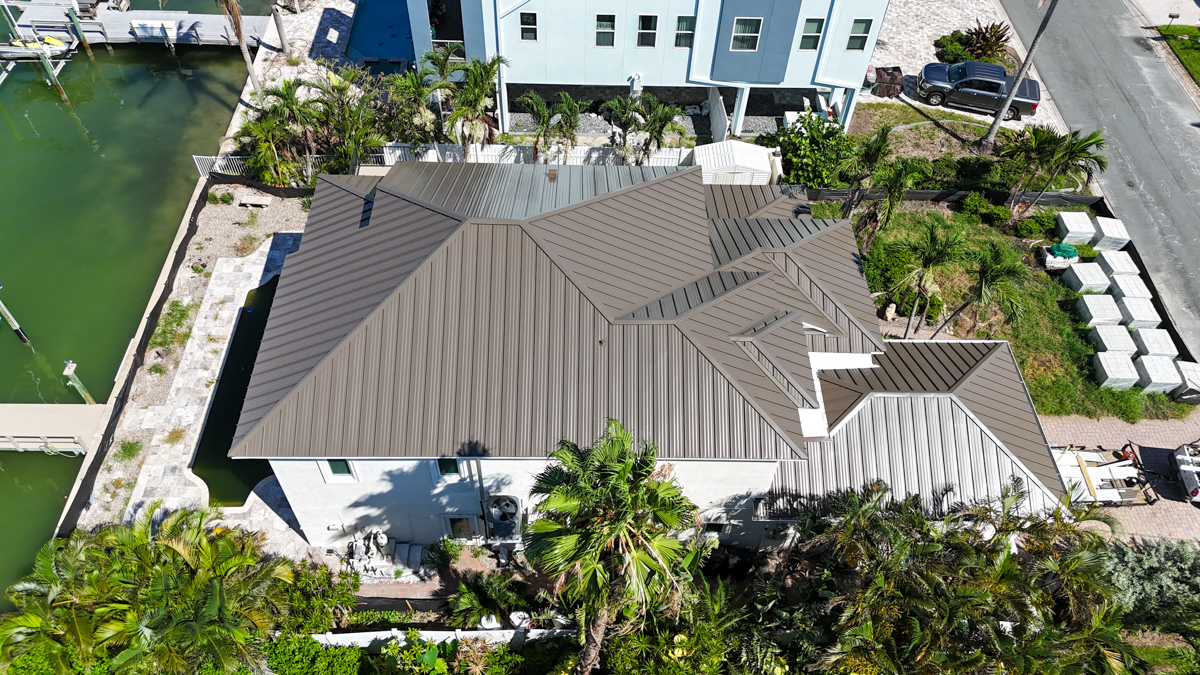
Most roofing projects involve two separate warranties that are easy to confuse but actually cover very different things.
Understanding the distinction
- Manufacturer warranty: Covers defects in the roofing material itself, such as shingles, tiles, or metal panels, and is backed by the company that made the product
- Workmanship warranty: Covers the quality of the installation, and is backed by the contractor who performed the work, not the manufacturer
A roof can have a long manufacturer warranty and still fail prematurely due to poor installation, which is why the workmanship warranty matters just as much, if not more, than the material warranty. Homeowners who focus only on the manufacturer’s advertised warranty length sometimes overlook this distinction entirely.
What Manufacturer Warranties Typically Cover
Manufacturer warranties vary by product and company, but most share some common structure worth understanding before you compare options.
Common features of manufacturer warranties
- Coverage for material defects, such as premature cracking, granule loss, or manufacturing flaws
- A stated term length, often ranging from a couple of decades to a lifetime, depending on the product tier
- Prorated coverage in many cases, meaning the payout decreases as the roof ages
- Specific exclusions, such as damage from improper installation or lack of maintenance
Reading the fine print on prorated coverage is particularly important, since a “lifetime” warranty may provide significantly less value if a defect appears later rather than earlier in the roof’s life. Asking for a plain-language explanation of how the proration schedule works is a reasonable request before signing anything.
What Workmanship Warranties Typically Cover
Workmanship warranties protect against installation errors rather than material defects, and the terms can vary significantly from one contractor to another.
What to look for in a workmanship warranty
- A clearly stated term length, which can range from a couple of years to a decade or more depending on the contractor
- Coverage for issues like improper flashing installation, incorrect fastening, or other installation errors
- Clear terms on what would void the warranty, such as unrelated repairs performed by another company
- Confirmation of what happens to the warranty if the original contractor goes out of business
A longer workmanship warranty is often a sign that a contractor stands confidently behind their own installation quality, which is worth factoring into your decision alongside price. A short or vague workmanship warranty, on the other hand, can be a signal worth investigating further before signing a contract.
Enhanced and Manufacturer-Backed Installation Warranties
Some manufacturers offer enhanced warranty programs that extend coverage to the installation itself, not just the material, when the work is performed by a certified contractor.
What these enhanced programs typically offer
- Combined coverage for both material defects and certain installation issues under a single warranty
- Requirements that the installing contractor hold specific manufacturer certification
- Often longer terms than a standard manufacturer warranty alone
- Additional peace of mind since the manufacturer has a vested interest in verifying proper installation
Asking whether your contractor is certified for any enhanced warranty programs is worth doing, since it can meaningfully increase your overall coverage without significant added cost. Not every contractor holds these certifications, so this is a legitimate differentiator worth asking about directly during your estimate.
Questions to Ask Before You Sign
Before committing to a roofing project, a few direct questions can help you fully understand exactly what protection you are getting.
Worth asking your contractor directly
- What is the exact term length for both the manufacturer and workmanship warranties?
- Is either warranty prorated, and if so, how does that affect the payout over time?
- What specific actions would void either warranty?
- Is the workmanship warranty transferable if I sell my home?
- What documentation will I receive once the project is complete?
A contractor who answers these questions clearly and provides documentation without hesitation is generally a good sign of how seriously they take their warranty commitments. If you receive vague or evasive answers to any of these, it is worth pausing before moving forward with that contractor.
How to Keep Your Warranty Valid
Even a strong warranty can be voided if certain conditions are not maintained, so understanding your responsibilities as a homeowner matters just as much as understanding the coverage itself.
Common ways warranties can be voided
- Skipping recommended maintenance or inspections outlined in the warranty terms
- Allowing unrelated repairs to be performed by a different, uncertified contractor
- Modifying the roof structure without proper documentation or approval
- Failing to address minor issues promptly, allowing damage to worsen over time
Keeping records of any maintenance or repairs performed on your roof helps protect your ability to make a claim if you ever need to use your warranty. A simple folder or digital file with receipts, inspection reports, and photos can make a real difference if a warranty dispute ever arises.
How Warranties Interact With Insurance Claims
Homeowners sometimes assume a warranty and an insurance policy cover the same situations, but they actually address very different circumstances.
The distinction worth understanding
- A warranty covers defects in material or workmanship, not damage from external events like storms
- Insurance typically covers sudden damage from covered events, such as wind or hail, not manufacturing or installation defects
- If storm damage occurs, your warranty generally does not apply, since the damage was not caused by a defect
- If a leak develops due to installation error, insurance may deny the claim since it stems from a workmanship issue rather than a covered event
Understanding which situation applies helps you know whether to file an insurance claim, request a warranty repair, or both, depending on the actual cause of the issue. A professional inspection can often help determine which category a given problem actually falls into.
Comparing Warranties Between Different Contractors
When gathering multiple estimates, comparing warranty terms side by side is just as important as comparing price, though it is easy to overlook in the moment.
What to line up between contractors
- The exact term length offered for both manufacturer and workmanship coverage
- Whether either warranty is prorated and how that affects long-term value
- Whether the contractor holds any manufacturer certifications that unlock enhanced warranty programs
- How clearly the contractor explains warranty terms without being asked repeatedly
A contractor offering a noticeably shorter or vaguer workmanship warranty than competitors is worth asking about directly, since the difference may reflect their confidence in their own work. It is a small comparison point that can reveal quite a bit about how a company operates.
Key Takeaways for Homeowners
Understanding your roof warranty before you sign a contract puts you in a much stronger position if an issue ever comes up. A few points worth remembering:
- Manufacturer and workmanship warranties cover different things and both matter
- Prorated coverage can significantly reduce a warranty’s real value over time
- Enhanced manufacturer programs can extend coverage when installed by a certified contractor
- Maintaining your roof properly is often required to keep a warranty valid
Taking the time to understand these details before a project begins is far easier than trying to sort them out after a problem has already occurred. A professional inspection before your project starts also gives you a documented baseline, which can be useful if a warranty question ever comes up down the road.
We Stand Behind Our Work
Our team is upfront about warranty terms on every project, and we are happy to walk you through exactly what is covered before you make a decision. We believe a strong workmanship warranty reflects genuine confidence in the quality of our installations, and we back that up with clear, written terms every time.
We invite you to Schedule a Free Estimate with our team, and we will explain exactly what warranty coverage applies to your specific project.
Ready for an expert opinion? Get in touch today!
Whether you’re dealing with an aging roof or just want peace of mind, having the right team on your side makes all the difference. Our St. Petersburg roofing experts are ready to answer your questions and help you find the best solution for your home. Schedule an inspection today and take the first step toward a stronger, more reliable roof.
Like this article? Spread the word!
Related Posts

Tile Roofing vs. Stone-Coated Steel: Which Fits Your Home Best?
Tile roofing vs stone-coated steel: which fits your home best? Schedule a Free Estimate…

7 Roofing Materials Best Suited for Florida’s Heat and Humidity
Discover which roofing materials handle Florida's heat, humidity, and storms best.…

Need a New Roof in New Port Richey? Why Homeowners Choose BC American Roofing
Need a new roof in New Port Richey? BC American Roofing provides expert residential…