Tile Roof Alternatives in St. Petersburg, FL
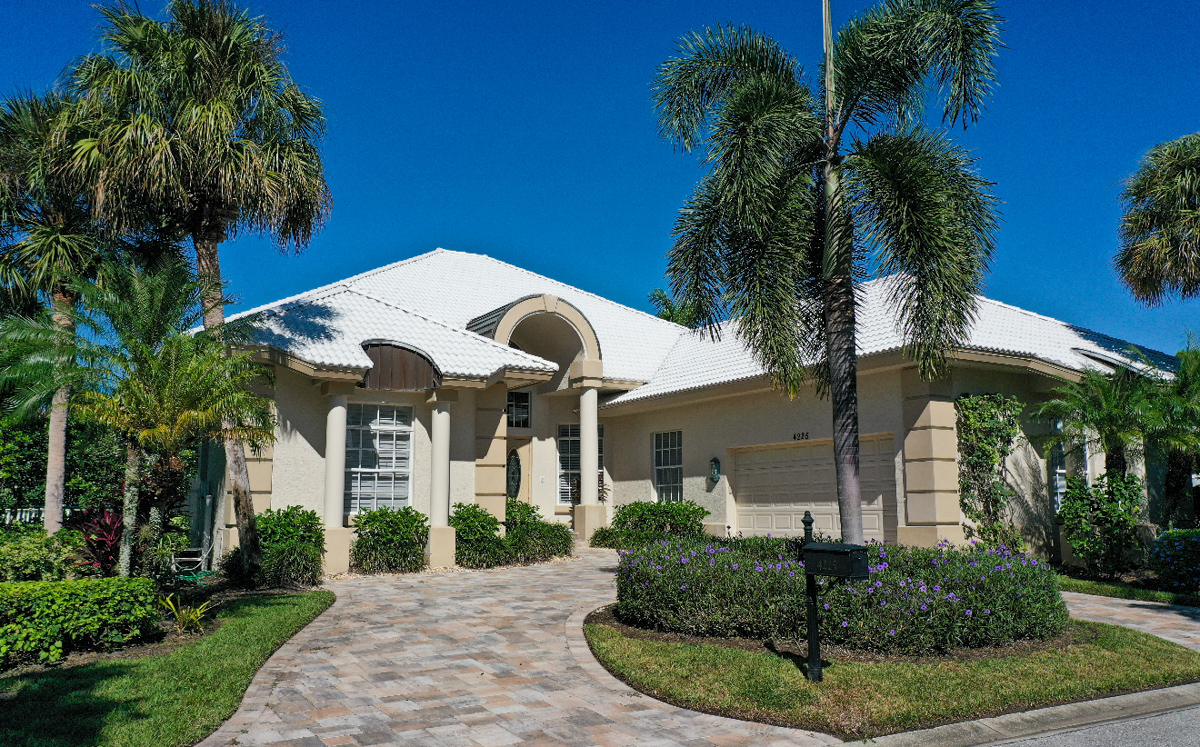
A tile roof has a look that fits right in along the Gulf Coast. The curved profiles, the shadow lines, and the warm color all say Florida. What many homeowners don’t expect is how much that look weighs, how easily individual pieces can crack, and how hard a repair can be once a profile has been discontinued.
If you love the style but want a roof that’s lighter and tougher in a storm, there are two materials worth a close look: stone-coated steel and Brava composite. We install both for homeowners in St. Petersburg and Sarasota, with in-house supervision on every job. This page walks through how each one works, how they compare, and how to decide which fits your home.
Why Homeowners Look Beyond Traditional Tile
Clay and concrete tile can last a long time, but they come with tradeoffs that matter more in a coastal, storm-prone climate.
The Common Concerns
- Weight: Tile is one of the heaviest roofing materials, which puts more load on the framing and can call for structural work on some homes
- Breakage: Individual pieces can crack under foot traffic, falling limbs, or wind-driven debris
- Repairs: Matching an older or discontinued tile profile can be slow and expensive
- Underlayment: The underlayment beneath tile often wears out before the tile does, which can mean lifting and resetting the whole roof
Getting the Look Without the Tradeoffs
Tile roof alternatives are built to keep the curb appeal while addressing those concerns. Both options below are much lighter than tile and are designed to hold up to wind and impact without individual pieces cracking.
Stone-Coated Steel Roofing
Stone-coated steel starts as a steel panel. The panel is coated to resist corrosion, then finished with a layer of stone granules bonded to the surface. From the street, it reads like barrel tile, shake, or shingle. On the roof, it performs like metal.
The panels interlock as they’re installed, so the roof works as a connected system instead of relying on each piece to stay put on its own. That design is a big part of why stone-coated steel holds up so well in high winds. It’s also far lighter than tile, which takes pressure off the structure and makes the roof easier to walk on during future maintenance. The color is baked onto the granules during manufacturing, which helps it resist fading under years of Florida sun. Because stone-coated steel is a metal system at its core, our experience as a Metal Roofing Alliance member carries over to how we fasten, seal, and finish every panel.
Brava Composite Roofing
Brava composite roofing is made from engineered polymers molded to capture the texture and color variation of natural roofing materials. It won’t absorb water, crack, or rot the way natural materials can in a humid climate.
Authorized Brava Dealer
- We install genuine Brava products, not a generic composite sold under a similar description
- Our crews are trained on Brava’s own installation specifications
- Manufacturer warranty support is available directly through Brava
Tile, Slate, and Shake Profiles
Brava makes composite profiles that mimic Spanish barrel tile, slate, and cedar shake, so you can match the style of your home rather than settling for a single look. Each piece is made to the same specifications, which keeps the roof consistent and makes future repairs easier to match.
Stone-Coated Steel vs. Brava: Choosing Between Them
Both materials solve the same problem, so the choice usually comes down to the look you want and how the roof needs to perform on your specific home. Stone-coated steel has a textured, granulated finish and brings the wind and impact strength of a steel roof. It’s a strong fit for homeowners who put storm performance first and like a classic barrel profile.
Brava composite has a smoother, more detailed finish that closely resembles natural tile, slate, or shake. It’s a good fit for homeowners who care most about matching a specific style or want a roof that’s quiet and easy to maintain. Photos rarely capture the texture and depth of either material, so we encourage homeowners to see both in person before deciding. We’ll bring samples to your inspection so you can compare them side by side against your home’s colors and trim.




Switching From an Existing Tile Roof
If you have a tile roof today and want to move to one of these alternatives, the project works much like a full replacement.
What the Changeover Involves
- Removing the existing tile, battens, and underlayment
- Inspecting the roof deck for soft spots, rot, or water damage that was hidden under the tile
- Replacing damaged decking before the new system goes on
- Installing new underlayment, flashing, and the new roofing material
Planning Ahead
Tile removal takes more labor than removing lighter materials, so the tear-off can add some cost. Many homeowners find that cost is offset over time by fewer repairs and simpler upkeep. If your home is in an HOA, check whether a material change needs approval first. We can provide product information that’s often helpful for that request.
Is a Tile Roof Alternative Right for Your Home?
An alternative tends to make the most sense if you want a tile-style roofline but are concerned about weight, breakage, or long repair times after a storm. It’s also worth considering if you’ve had repeated issues with a tile roof and want a different material instead of another like-for-like replacement.
That said, real tile is still the right call for some homes, especially where an HOA requires it or the design calls for authentic clay or concrete. If that’s your situation, our tile roofing page covers clay and concrete tile in detail. If you’d rather have a standard metal look, take a look at our metal roofing options. And if you’re still weighing every material, our residential roofing page lays out all the systems we install. We’ll give you an honest comparison during your inspection, even if that means recommending something other than an alternative.
Our Process
- We schedule an inspection to look at your current roof, the deck, and the structure.
- We bring stone-coated steel and Brava samples so you can compare colors and profiles against your home.
- In-house supervised installation, with any damaged decking repaired before the new roof goes on.
- A roof with the look you wanted and fewer of tile’s long-term headaches.
Like the look of tile but not the weight? Schedule an inspection and we’ll show you the alternatives.
Why Choose BC American Roofing for Tile Roof Alternatives
- Authorized Brava dealer with manufacturer-trained crews
- Metal Roofing Alliance member, relevant to stone-coated steel’s steel base
- In-house supervision on every installation
- Honest comparisons between tile, stone-coated steel, and Brava
FAQs
It depends on your priorities. Stone-coated steel offers the wind and impact strength of a steel roof, while Brava composite closely matches the look of tile, slate, or shake. We can show you both during an inspection.
Yes. Both stone-coated steel and Brava composite weigh far less than clay or concrete tile, which reduces the load on your home’s framing.
Both are designed for strong wind and impact resistance. Stone-coated steel panels interlock into a connected system, and Brava composite resists the cracking that affects real tile.
Yes. We remove the existing tile and underlayment, inspect and repair the deck, and install the new system. If you’re in an HOA, check whether the change needs approval first.
No. We’re an authorized Brava dealer, so we install genuine Brava products with manufacturer training and warranty support, not a generic composite.
Schedule an Inspection
Stone-coated steel and Brava composite both give you the tile look with less weight and fewer repairs, and the right choice depends on your home and your style. Schedule an inspection and we’ll show you both options in person.